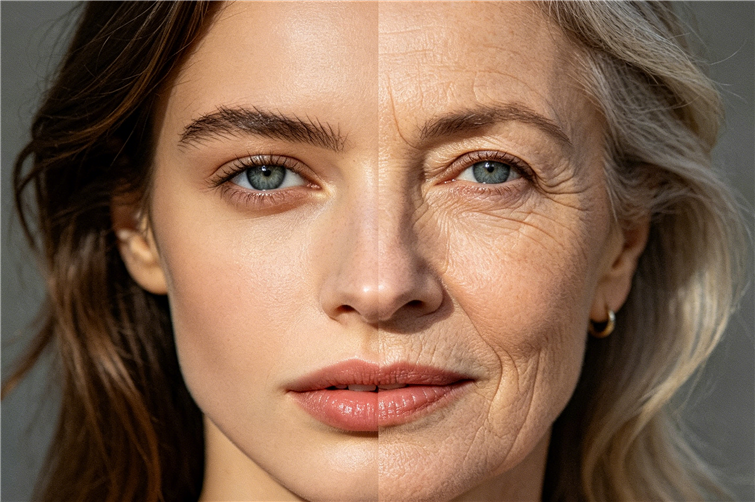







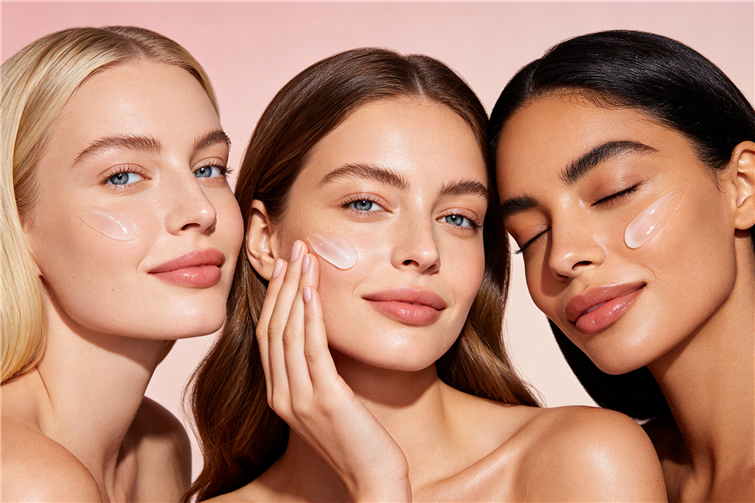
Hyaluronic Acid for Sensitive and Dry Skin Care: A Gentle, Effective Hydration Solution
Hyaluronic Acid for Sensitive and Dry Skin Care:
A Gentle, Effective Hydration Solution
If you have sensitive, dry skin, you know how challenging it can be to find skincare products that deliver lasting hydration without causing irritation, redness, or breakouts. Many common moisturizing ingredients can be too harsh, stripping the skin’s delicate barrier or triggering inflammation. That’s where hyaluronic acid (HA) comes in—a naturally occurring, gentle powerhouse that has become a go-to for those with sensitive and dry skin. In this article, we’ll explore why HA is uniquely suited to care for sensitive and dry skin, how it works, and how to incorporate it into your routine for calm, plump, and comfortable skin.
Why Sensitive and Dry Skin Needs Special Care
Sensitive and dry skin often go hand in hand, and both stem from a compromised skin barrier. The skin’s outermost layer, the stratum corneum, acts as a protective shield, locking in moisture and keeping irritants, pollutants, and bacteria out. For those with sensitive or dry skin, this barrier is weakened, leading to:
· Persistent dryness, flakiness, and tightness
· Increased sensitivity to environmental triggers (cold, wind, pollution)
· Redness, itching, and inflammation
· Difficulty retaining moisture, even with regular moisturizing
Many people with sensitive skin avoid hydrating ingredients for fear of irritation, but skipping hydration only worsens the problem. Dehydrated skin is more prone to irritation, and the barrier becomes even more fragile over time. This creates a vicious cycle—dry skin becomes more sensitive, and sensitive skin struggles to tolerate the very products meant to hydrate it. Hyaluronic acid breaks this cycle by delivering gentle, effective hydration that supports, rather than irritates, the skin barrier.
How Hyaluronic Acid Benefits Sensitive and Dry Skin
Hyaluronic acid is a glycosaminoglycan naturally present in the human body, with a unique ability to bind and retain up to 1,000 times its weight in water. This extraordinary water-binding capacity makes it an ideal ingredient for dry skin, as it delivers deep, long-lasting hydration without the need for harsh additives. What makes it even more special for sensitive skin is its inherent gentleness: HA is hypoallergenic, non-irritating, and free from common irritants like fragrances, alcohols, and dyes that often trigger reactions in sensitive skin.
For dry skin, HA works on multiple levels to restore moisture and comfort. When applied topically, HA penetrates the stratum corneum, drawing moisture from the air and deeper layers of the skin to plump dry, dehydrated cells. It also helps to repair the compromised skin barrier by reducing trans epidermal water loss (TEWL), preventing moisture from escaping and keeping irritants out. This dual action—hydrating from within and protecting from without—helps to reduce dryness, flakiness, and tightness, while also strengthening the skin’s natural defense system over time.
For sensitive skin, HA’s soothing properties are equally important. Its lightweight, non-greasy texture means it absorbs quickly into the skin, without leaving a heavy or sticky residue that can clog pores or irritate sensitive areas. Unlike some hydrating ingredients that can cause stinging or redness in sensitive skin, HA is pH-balanced and compatible with even the most reactive skin types. It also has mild anti-inflammatory properties, helping to calm redness, itching, and irritation caused by environmental stressors or harsh skincare products. By hydrating the skin and reducing inflammation, HA creates a calm, balanced environment that allows the skin barrier to heal.
Choosing the Right Hyaluronic Acid Product for Sensitive and Dry Skin
Not all hyaluronic acid products are created equal, and for sensitive and dry skin, it’s important to choose formulas that prioritize purity and gentleness. Here’s what to look for:
1. Minimal Ingredients: Opt for HA serums or moisturizers with short ingredient lists, free from fragrances, parabens, sulfates, and artificial dyes. These additives are common irritants that can trigger reactions in sensitive skin.
2. Multiple Molecular Weights: Look for products that combine low, medium, and high molecular weight HA. High-molecular-weight HA sits on the skin’s surface, forming a protective barrier to lock in moisture. Medium-molecular-weight HA penetrates the middle layers of the skin, providing immediate plumping. Low-molecular-weight HA penetrates deeper, delivering long-lasting hydration and supporting the skin barrier from within.
3. Complementary Gentle Ingredients: Some HA products include soothing ingredients like aloe vera, chamomile, or centella asiatica, which can enhance the calming effects of HA for sensitive skin. Avoid products with exfoliating acids (like AHAs or BHAs) or retinol unless your skin has built up tolerance.
How to Incorporate Hyaluronic Acid Into Your Sensitive/Dry Skin Routine
Using HA correctly is key to maximizing its benefits for sensitive and dry skin. Follow these simple steps:
1. Apply to Damp Skin: Always apply hyaluronic acid to slightly damp skin (after cleansing and toning). This helps the HA bind to moisture, allowing it to penetrate more deeply and work more effectively. Applying it to dry skin can actually draw moisture out of the skin, worsening dryness.
2. Layer Lightly: For best results, apply a few drops of HA serum to your face and neck, then follow with a gentle, fragrance-free moisturizer to seal in the hydration. This locks the moisture in and prevents TEWL.
3. Avoid Overusing: A little goes a long way with HA. Using too much can leave the skin feeling sticky or greasy, which may irritate sensitive skin. Stick to 2-3 drops of serum per application.
4. Use Morning and Night: Incorporate HA into both your morning and evening routines for continuous hydration. In the morning, it provides a plump base for sunscreen (essential for sensitive skin). At night, it supports the skin’s natural repair process while you sleep.
Common Myths About Hyaluronic Acid for Sensitive Skin
Despite its benefits, there are a few common myths about HA that can deter people with sensitive skin from trying it:
· Myth: Hyaluronic acid is too heavy for sensitive skin.Fact: HA is lightweight and non-comedogenic, meaning it won’t clog pores or feel heavy on the skin. It’s suitable for even the most sensitive, acne-prone skin.
· Myth: Hyaluronic acid can cause irritation.Fact: Pure hyaluronic acid is naturally present in the body, making it extremely unlikely to cause irritation. Reactions are usually caused by other ingredients in the product, not the HA itself.
· Myth: Hyaluronic acid is only for anti-aging.Fact: While HA does plump fine lines caused by dryness, its primary benefit is hydration. For sensitive and dry skin, it’s first and foremost a moisturizing ingredient.
Final Thoughts
For sensitive and dry skin, finding a skincare ingredient that delivers both hydration and gentleness can feel like a challenge—but hyaluronic acid checks all the boxes. Its unique water-binding capacity, soothing properties, and compatibility with sensitive skin make it a must-have for anyone struggling with dryness, irritation, or a compromised skin barrier. By choosing a pure, gentle HA product and using it correctly in your routine, you can unlock the full benefits of this powerhouse ingredient, achieving calm, plump, and healthy skin that feels comfortable all day long. Whether you’re new to skincare or looking to upgrade your routine, hyaluronic acid is a simple, effective way to support your sensitive and dry skin’s unique needs.
Related Posts
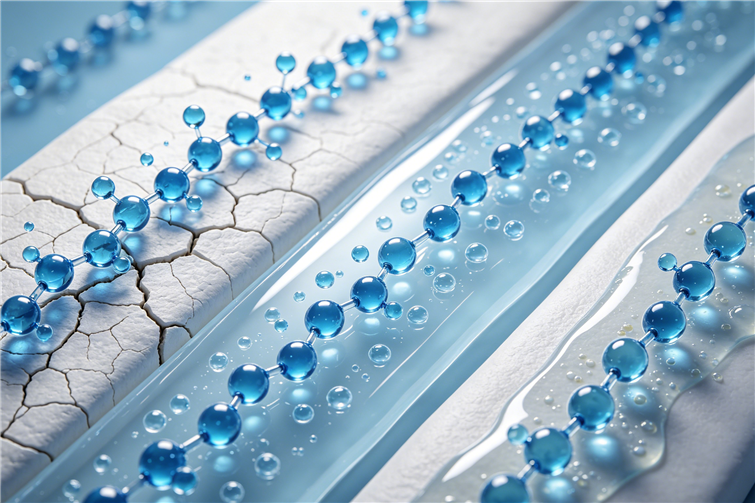
How Hyaluronic Acid Works on Different Skin Types
May 08, 2026